The Warning Signs Guide
Structural vs. cosmetic, why “fixed” stairs still squeak, and the code numbers inspectors check — including the 4-inch sphere rule. Sent straight to your inbox.
One email with the guide. No spam, unsubscribe anytime.
Atlanta-Metro Stair Remodeling & Repair
A staircase that’s actually solid — not just repainted.
Atlanta’s price-transparent stair remodel and repair specialist. Real code-compliant work, real numbers, before you sign anything.
Based on a straight staircase with new oak treads and painted white risers. Curved stairs and any change to newel posts, handrails, or balusters are priced separately — every job is different, so every number we give you is written for your stairs specifically, not pulled from a listed range.
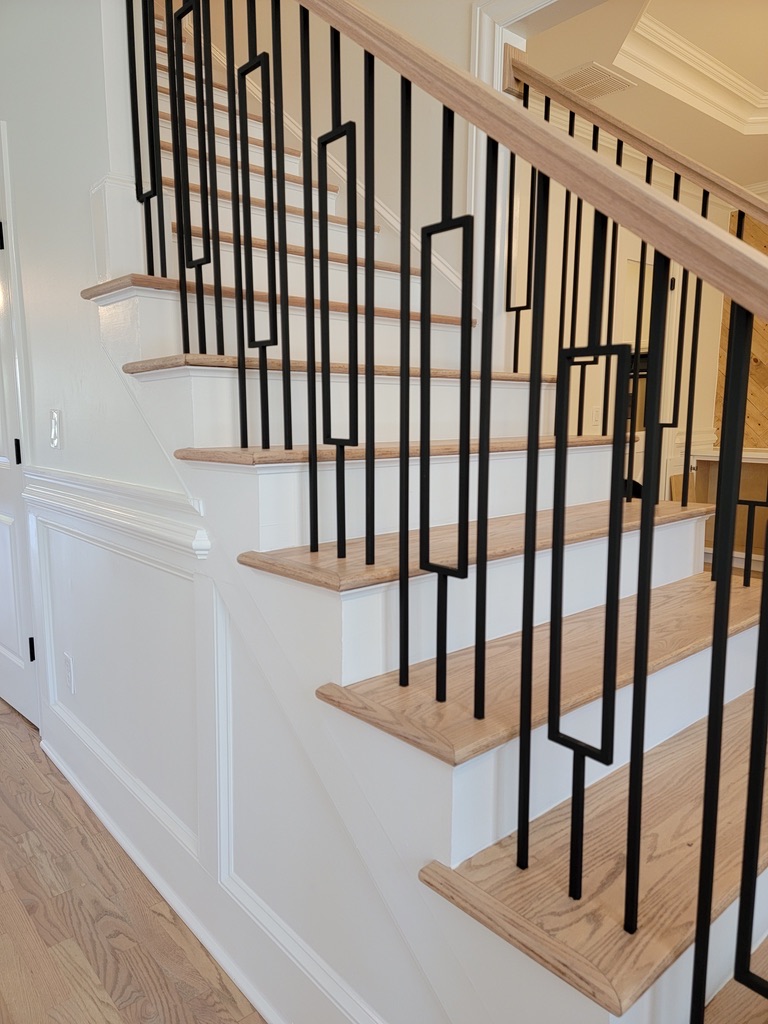
One accountable team
From the first measurement to the final walkthrough, the same team stays on your project start to finish — no subcontractor hand-offs to track down.
Built to check the stringers, not just the surface
Every stringer is checked and shimmed before a tread goes down, and baluster spacing is calculated to code before material is ordered.
We show up when we say we will
A scheduled visit is a scheduled visit — no repeat no-shows, no silence between appointments.
Who This Is For
You already know something’s not right with your stairs.
The stairs you’ve learned to step around
If your stairs are the one part of the house you’re pretending not to notice — worn carpet from a previous decade, a step you’ve quietly learned to skip because of the noise it makes — you’re not imagining the wear. Original builder-grade stairs in older Atlanta-metro homes are often decades past their intended lifespan, and what looks cosmetic on top can be hiding real structural wear underneath.
The stairs that weren’t even in your scope
If you’re renovating a flip or rental and the stairs weren’t part of the plan until the permit office flagged them, you’re not alone — a kitchen or basement remodel can trigger a code review of a staircase you never intended to touch. What you need isn’t a bigger project. It’s a fixed price, a fast turnaround, and a team that flags the code trigger before it blows your timeline, not after.
The stairs that have to pass, on a deadline
If a failed inspection, a new grandchild in the house, or a close call on the stairs has you searching for exact code numbers instead of vague reassurance, you want specifics: baluster spacing, sphere-rule clearance, exactly what has to change to pass. We can tell you that before we start, not after we’ve billed you.
Process
Five steps, one accountable team, no vanishing act in between.
-
1
Consultation
We look at your stairs, hear what’s bothering you about them, and talk through what’s realistic — no pressure, no sales script.
-
2
Assessment & plan
We check every stringer for evenness, inspect for existing shimming or shortcuts, and measure balusters and rail height against current code before we plan a fix.
-
3
Written fixed-price proposal
An itemized price you can hold us to, plus a real timeline in writing — not a verbal ballpark that changes once work starts.
-
4
Build
Every stringer gets shimmed and blocked so treads bear evenly across the full width, not just one high point — that’s what actually stops a squeak from coming back.
-
5
Final walkthrough
We walk every step with you, up and down, edges included, and confirm code compliance before we call the job done.
Get honest answers about your stairs
Get a Fixed-Price ConsultationRecent Work
Representative Atlanta-metro stair projects.
These are representative examples showing typical scope, materials, and pricing for the areas we serve — not yet a documented project gallery.
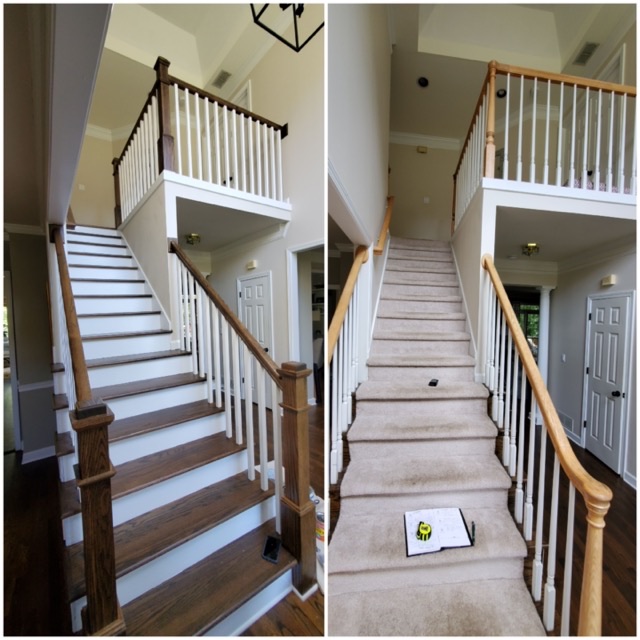
The Decatur Staircase
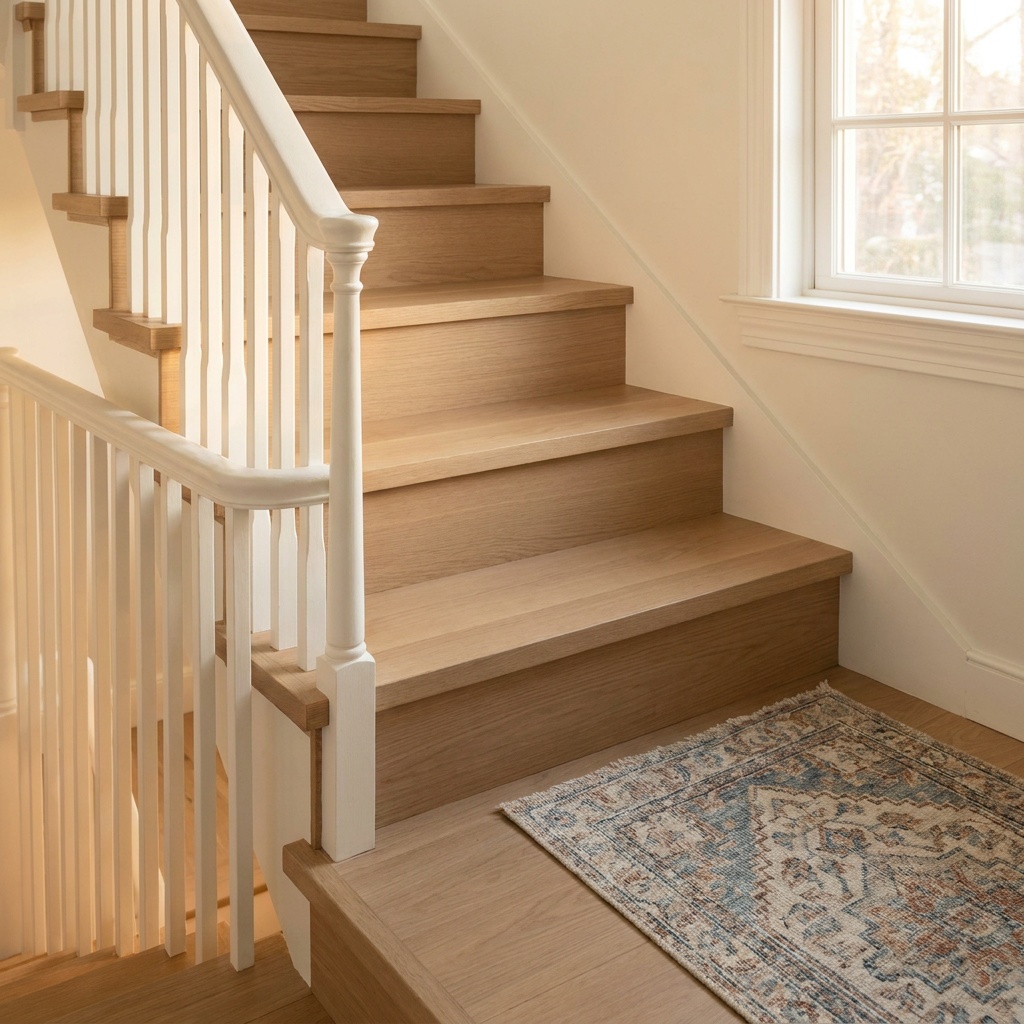
The Sandy Springs Staircase
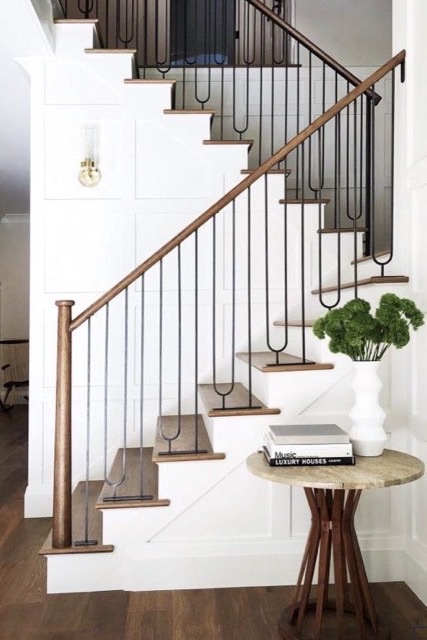
The Roswell Staircase
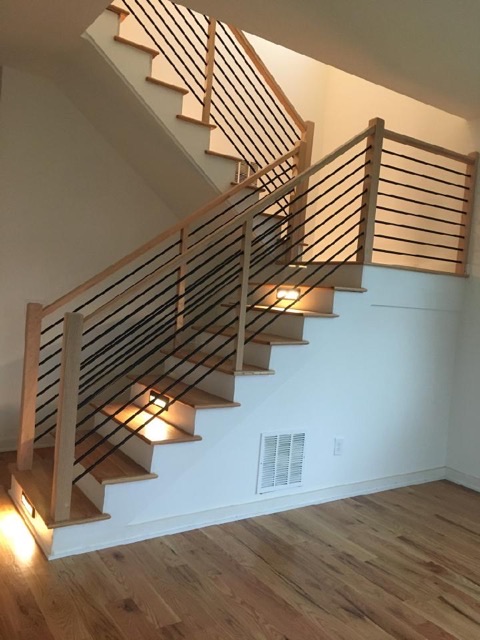
The Buckhead Staircase
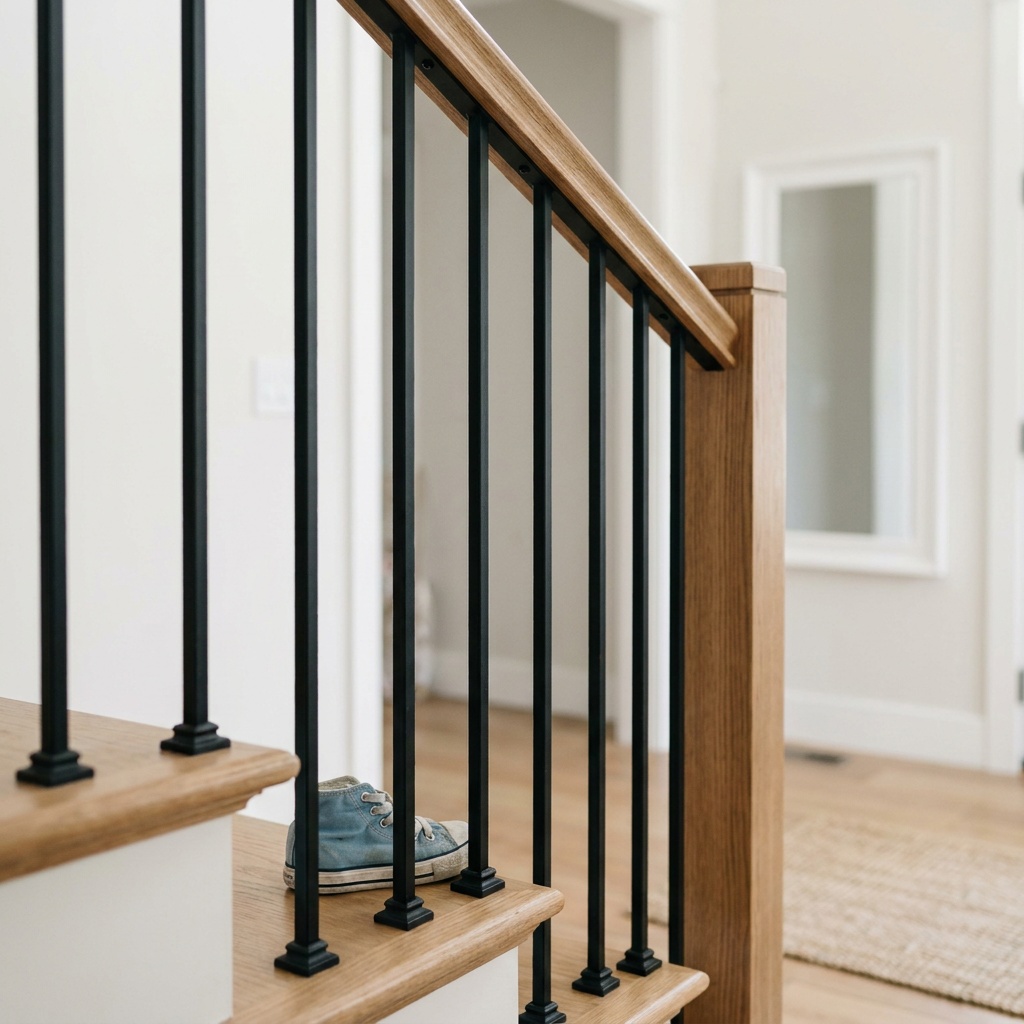
The Marietta Staircase
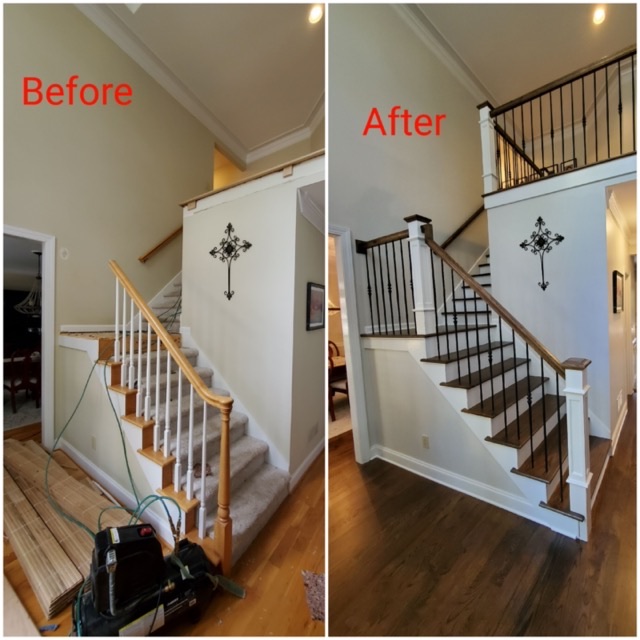
The Alpharetta Staircase
See what a fixed-price proposal for your stairs looks like
Get a Fixed-Price ConsultationWhat Clients Say
Sample reviews while we build a verified review record.
Sample reviews shown while we collect verified client reviews. These are illustrative, not from actual clients.
“The stairs had squeaked for years and I’d stopped believing anyone could actually fix that instead of just covering it up. The stringers got shimmed properly this time and it’s been quiet since.”
Homeowner, Decatur
“The price on the proposal was the price on the invoice. No add-ons showed up partway through, which was the whole reason I picked a fixed-price company over a bid.”
Homeowner, Sandy Springs
“We were mid-basement-finish when they flagged that the stairs would need a permit too. Better to hear it at the consultation than from the inspector.”
Renovation investor, Marietta
“Baluster spacing passed inspection on the first try. They knew the exact numbers going in instead of guessing and hoping.”
Homeowner, Roswell
Frequently Asked Questions
Straight answers, before you have to ask twice.
How much does stair remodeling cost in Atlanta?
Most Atlanta-area stair remodels run $2,900–$4,800 for a straight staircase with new oak treads and painted white risers — that’s our typical baseline, not a fixed menu price. The actual number moves with the shape and scope of your specific stairs: a curved or spiral run costs more to engineer and build than a straight one, and anything beyond the tread-and-riser baseline — new newel posts, a full handrail replacement, or swapping out the balusters — is priced as its own line item on top. Straightforward repairs (re-securing loose treads, fixing a squeak, respacing balusters for code) usually cost less than a full remodel. Because shape and scope vary this much project to project, we don’t hold ourselves — or you — to a number pulled off a website. Every proposal is written and itemized for your actual stairs after we’ve seen them, so you can see exactly what’s driving the price. Ask to check our math against any bid you’re comparing, including ours.
Will my stairs still squeak after the fix?
Squeaks almost always come from stringers that aren’t perfectly even, or treads that rest on only part of the stringer instead of bearing evenly across all of them. A cosmetic fix — new treads glued over the same uneven frame — can squeak again within months, sometimes faster than the original stairs did. Our process checks and shims every stringer before a single tread goes down, so each step beds solid across its full width instead of rocking on a high point. We block and screw rather than relying on glue and nails alone, since adhesive by itself tends to loosen as wood moves with humidity. At the final walkthrough, we walk every step with you — up and down, edges included — specifically to confirm there’s no movement or noise before we consider the job done. If something develops later, that’s a structural issue, not a normal break-in period, and we address it.
Do I need a permit to replace my stairs?
Often, yes. Stairs are a life-safety egress path, so replacing or substantially altering one typically requires a permit and has to meet current baluster-spacing and rise-and-run code, even if the work looks purely cosmetic from the top. This catches homeowners off guard most often when a different project — a kitchen remodel, a basement finish, a whole-house renovation — happens to touch the stairs and triggers a code review nobody budgeted for. We’ve seen that surprise add real cost and time to projects that were only supposed to touch what’s visible. We flag whether your project is likely to trigger a permit during the initial consultation, before you sign anything, and we handle the permit and inspection process directly rather than leaving you to navigate the county office alone. If your project doesn’t require a permit, we’ll tell you that too.
How far apart should stair balusters be?
Georgia follows the international residential code baluster-spacing rule: no gap in a guardrail or stair railing can allow a 4-inch sphere to pass through, which is designed to keep a small child from slipping through or getting a head caught between balusters. Georgia officially adopted the 2024 International Residential Code with state amendments, effective January 1, 2026, per the Georgia Department of Community Affairs’ construction codes page, which sets this same rule statewide. That sounds simple, but the common mistake is calculating spacing based on the number of balusters rather than the actual gap between them — forgetting to account for the width of the baluster itself creates gaps that measure too wide and fail inspection. Guardrails on open sides of stairs generally need to be at least 34 to 38 inches high, measured from the tread nose, and handrails have their own separate height and graspability requirements. We calculate baluster layout to the actual code numbers before ordering material, not after installation, so you’re not paying twice to fix a spacing mistake. If you’re preparing for a re-inspection, we can assess your existing railing against these numbers directly.
Can I use my stairs during the remodel?
In most cases, yes, at least partially — but it depends on what stage of the project you’re in and whether your stairs are the only path between floors. Cosmetic work like refinishing or a baluster swap can often be sequenced so you have a usable staircase at the end of each work day, sometimes with a temporary safe path while treads cure. A full structural rebuild — new stringers, a complete tread-and-riser replacement — usually means the stairs are out of use for at least part of the timeline, since adhesives and fasteners need real curing time to hold weight safely, not just look finished. We walk through exactly what access you’ll have, day by day, during the consultation, so you can plan around it instead of discovering a blocked staircase the morning work starts. If a single staircase is your only way upstairs, tell us early so we can sequence the work accordingly.
How long does a stair renovation take?
Timeline depends heavily on scope. Cosmetic updates — refinishing, a baluster swap, a handrail replacement — typically take one to two days of active work. A standard carpet-to-hardwood conversion or full tread-and-riser replacement usually runs about a week of on-site labor. More involved projects that touch rails, balusters, and structural elements together often need one to two weeks. Custom or structurally engineered designs — floating stairs, curved runs, anything requiring an engineer’s sign-off — can take several weeks to a couple of months once you count design, permitting, and fabrication lead time, not just installation days. From your first consultation to a finished, walked-through staircase, most straightforward remodels complete in two to six weeks total, including the proposal and any permit turnaround. We give you a specific timeline in writing as part of the fixed-price proposal, not just a range, so you know what to plan around before work starts.
Is hardwood or carpet safer on stairs?
Both have a real safety trade-off, and the honest answer depends on your household. Hardwood looks cleaner and shows wear less than most carpet, but a smooth finished tread can be genuinely slippery, especially for anyone with balance concerns, aging joints, or young kids in socks. Carpet adds traction and cushions a fall, but it also hides what’s happening underneath — worn or shifting stringers, loose fasteners — until the problem is advanced enough to show up as a squeak or a visible sag. If safety for aging-in-place or small children is the priority, we can spec a non-slip finish, a stair runner over hardwood, or textured tread nosing that keeps most of the hardwood look without the slip risk. If the concern is more about resale or matching a renovated main floor, hardwood with proper anti-slip finishing is usually the better long-term choice. We’ll walk through your specific household before recommending either direction.
Get In Touch
Talk to us about your stairs.
No obligation, just a conversation about what’s actually going on with your staircase and what it would take to fix it right.
No obligation, just a conversation.
Straight staircase, new oak treads, painted white risers. Curved runs and any change to posts, handrails, or balusters get their own written number — each job is different.
What happens when you reach out
-
1
We call or email you back within one business day — no automated ticket queue.
-
2
We ask a few questions about your stairs and, if needed, schedule a walkthrough.
-
3
You get a written, fixed-price proposal — no pressure to sign on the spot.